



NC disaster bill sparks concern over Helene funds, emergency response control :: WRAL.com

TL;DR: A new bill in the NC General Assembly (Senate Bill 1050) could redirect nearly $5 million in leftover Hurricane Helene recovery funds, originally meant for Western North Carolina fire and rescue teams, to a state-controlled disaster fund. It also proposes shifting major disaster response duties from NC Emergency Management to the Office of the State Fire Marshal. Critics warn this could disrupt our state’s ability to respond to emergencies, while supporters argue it would make operations more efficient.
RALEIGH, N.C. – A bill moving through the North Carolina General Assembly is causing a stir among our state’s emergency responders. Senate Bill 1050 proposes a significant shake-up in how North Carolina handles disaster response and redirects millions of dollars in Hurricane Helene recovery funds originally designated for fire departments and rescue squads, especially those in Western North Carolina.
If passed, the bill would go into effect during the upcoming hurricane season (June 1 – Nov. 30). Its key provisions include:
- Shifting crucial disaster response authority from North Carolina Emergency Management (NCEM) to the Office of the State Fire Marshal (OSFM). This includes coordinating firefighting, search and rescue, and hazardous materials incidents.
- Redirecting approximately $4.9 million in remaining Hurricane Helene recovery funds into a new disaster response fund, which would be controlled by the State Fire Marshal’s office.
Why the Concern?
Emergency management officials across North Carolina are ringing alarm bells. They warn that moving these responsibilities from NCEM, an agency they say has handled these operations effectively for decades, could cause chaos during major emergencies.
“It appears to be trying to fix a problem that doesn’t exist,” said Drew Pearson, legislative director for the North Carolina Emergency Management Association and director of Dare County Emergency Management. Pearson emphasized that these are “core elements of the state program that really need to stay where they are.”
The North Carolina Emergency Management Association officially opposes the bill, calling it “unnecessary and disruptive.” Jimmy Brissie, Henderson County’s public safety director, highlighted the impact on local communities: “That $200,000 could go a long way to a rural fire department in western North Carolina.”
Critics argue that many Western NC departments still have unmet needs from Hurricane Helene and that this money should continue to be dedicated to those recovery efforts. Pearson warned that fragmenting disaster response could create dangerous confusion when seconds count.
What Supporters Are Saying
State Fire Marshal Brian Taylor and bill sponsor Senator Todd Johnson (R-Cabarrus) argue that these changes would actually improve disaster response. Taylor’s office believes placing firefighting, search and rescue, and hazardous materials response under an agency with existing relationships and expertise with local fire departments would strengthen operational leadership, improve coordination, and speed up deployment during emergencies.
Regarding the Helene funds, the OSFM says that over $23 million has already been distributed to more than 260 fire departments and rescue squads following the hurricane, with every eligible department receiving the full $50,000 allowed. They argue the remaining $4.9 million would otherwise revert to the state’s General Fund and that redirecting it to a new disaster response fund would allow it to support future emergencies instead.
Under the proposed legislation, the OSFM would be allowed to use up to 5% of this new fund for administrative costs, potentially up to $245,000 from the Helene money.
The Helene Recovery Fund and Political Context
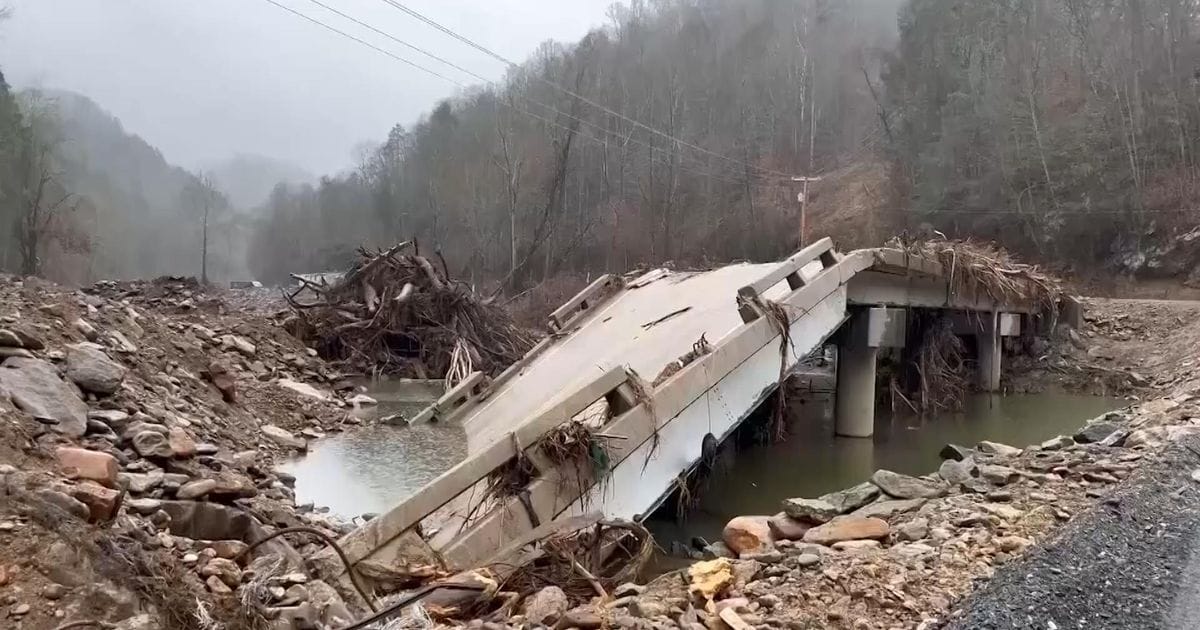
Hurricane Helene hit our state in 2024, causing significant damage, particularly in Western North Carolina. The original Helene Recovery Act allocated $28 million, including grants for capital equipment and facility repairs for departments in eligible western and foothills counties.
The Office of the State Fire Marshal has been at the center of political debates in recent years. In 2023, a legislative overhaul separated the fire marshal’s duties from the elected insurance commissioner, creating an independent OSFM within the Department of Insurance. This change led to a power struggle, including the temporary firing and reinstatement of Fire Marshal Taylor.
Senator Todd Johnson, the bill’s sponsor, is a key figure in the North Carolina Senate, giving the proposal significant political weight as it moves through the legislature.
As our state heads into hurricane season, this debate highlights crucial questions about how North Carolina prepares for and responds to future disasters, and how best to support our local heroes on the front lines.
In September 2025, WRAL released its documentary “Helene: What We Lost, What We Found with Western North Carolina Recovery,” chronicling the progress and remaining work almost a year after the hurricane. You can find out more about the impacts of Hurricane Helene and our state’s recovery efforts.