



Create a 10-word scroll-stopping headline for: Proposed City of Durham Budget Is Full of “Trade-Offs” | Vibe NC

Rewrite this local event or lifestyle story to be enticing for North Carolina residents. Keep HTML tags:
If budgets are a value statement, then Durham City Manager Bo Ferguson spent Monday night signaling that the next year’s budget values preservation.
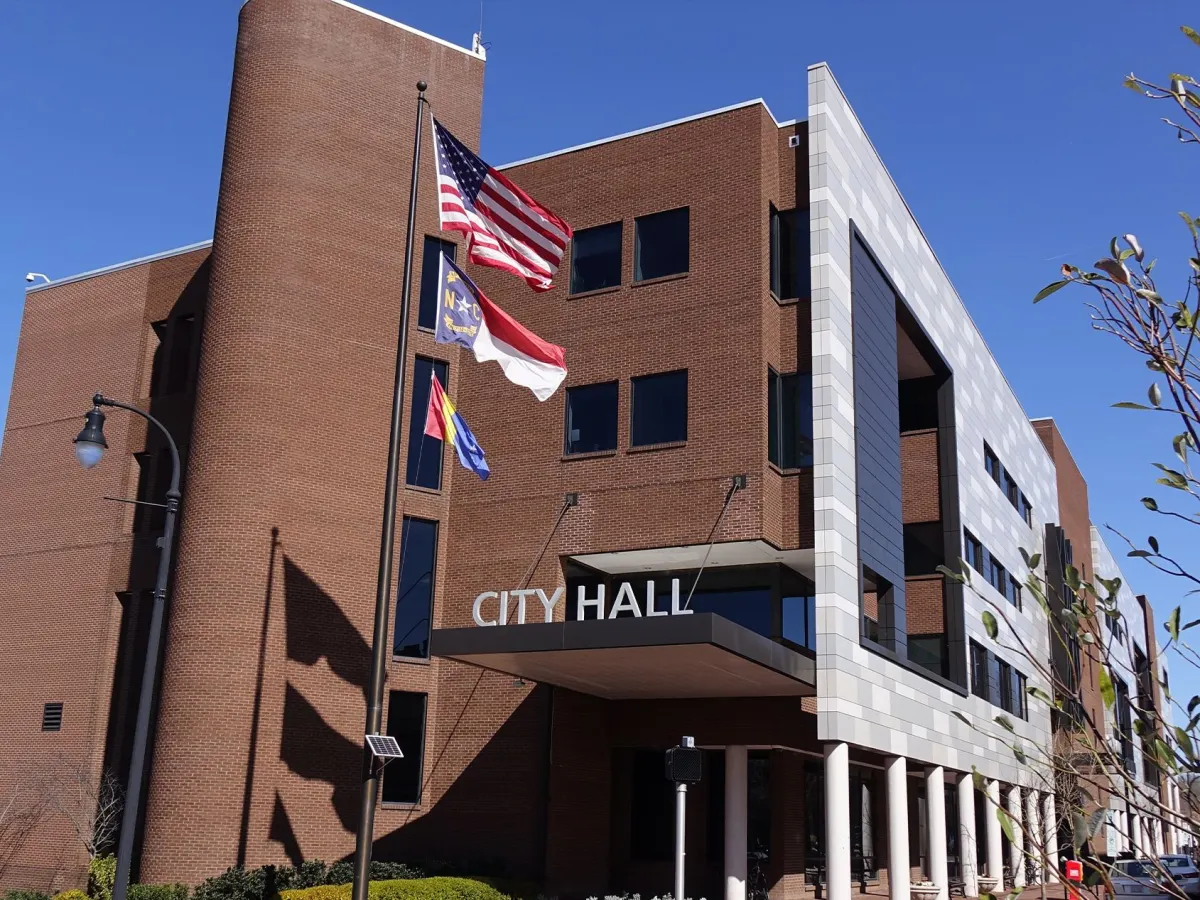
Firefighters and tennis enthusiasts with rackets in hand, alongside a handful of other residents, filled the audience at City Hall as Ferguson laid out his proposed budget, which would raise the minimum wage for city employees while staving off an increase in property taxes. But those choices came with tradeoffs. Employees would not receive merit pay increases, and nearly $1 million in funding for local area nonprofits and organizations would be cut.
The city of Durham faces significant financial challenges—some anticipated, others unforeseen—which Ferguson said put unusual pressure on the budget proposal.
“In a year like this, our responsibility is to practice careful stewardship, to protect core services, to care for our workforce, and to invest where our residents need it most,” Ferguson said.
Similar to Durham County, the city is reckoning with less incoming property tax revenue than staff projected. Nearly 10,000 tax appraisals were successfully appealed by property owners in the last year, including several large commercial properties, shrinking the total value of taxable property—the main source of the city’s revenue—by $2.6 billion. The city not only raised less money than anticipated, but actually refunded about $9 million in property taxes, putting the budget at an unexpected deficit and staff on their heels.
“It is important to underscore that this is a one-time correction related to the unique timing and nature of these appeals,” Ferguson said. “We expect revenue growth to return in future years as these corrections work their way into the system.”
The projected total for the upcoming fiscal year budget is $766 million, up $44 million from last year, though the city’s General Fund, which supports most essential services, would be reduced by roughly $500,000. The current tax rate—43.71 cents per $100 assessed value—would remain the same, despite unexpected revenue shortfalls. (Durham County proposed a 2 cent tax raise.) Ferguson said keeping the tax rate at its current level was a high priority for city council during early budget discussions.
“Even in a challenging year, we have made careful choices so we can maintain essential services, continue progress on our top priorities, and be transparent about the trade-offs required to do so,” Ferguson said.
One of those top priorities is employee wages. At a budget retreat in February, city finance staff forecasted a pressure on the budget they did anticipate: To keep up with the 2019 Durham Minimum Livable Wage ordinance—which ties pay to housing costs—the city would need to increase base wages from $21.90 to $25.09 per hour, a per-year increase roughly four times higher than normal.
To cover the wage increase, the proposed budget includes an additional $8.4 million…