



Create a 10-word scroll-stopping headline for: A Summertime Guide to Bath | Vibe NC

Rewrite this local event or lifestyle story to be enticing for North Carolina residents. Keep HTML tags:
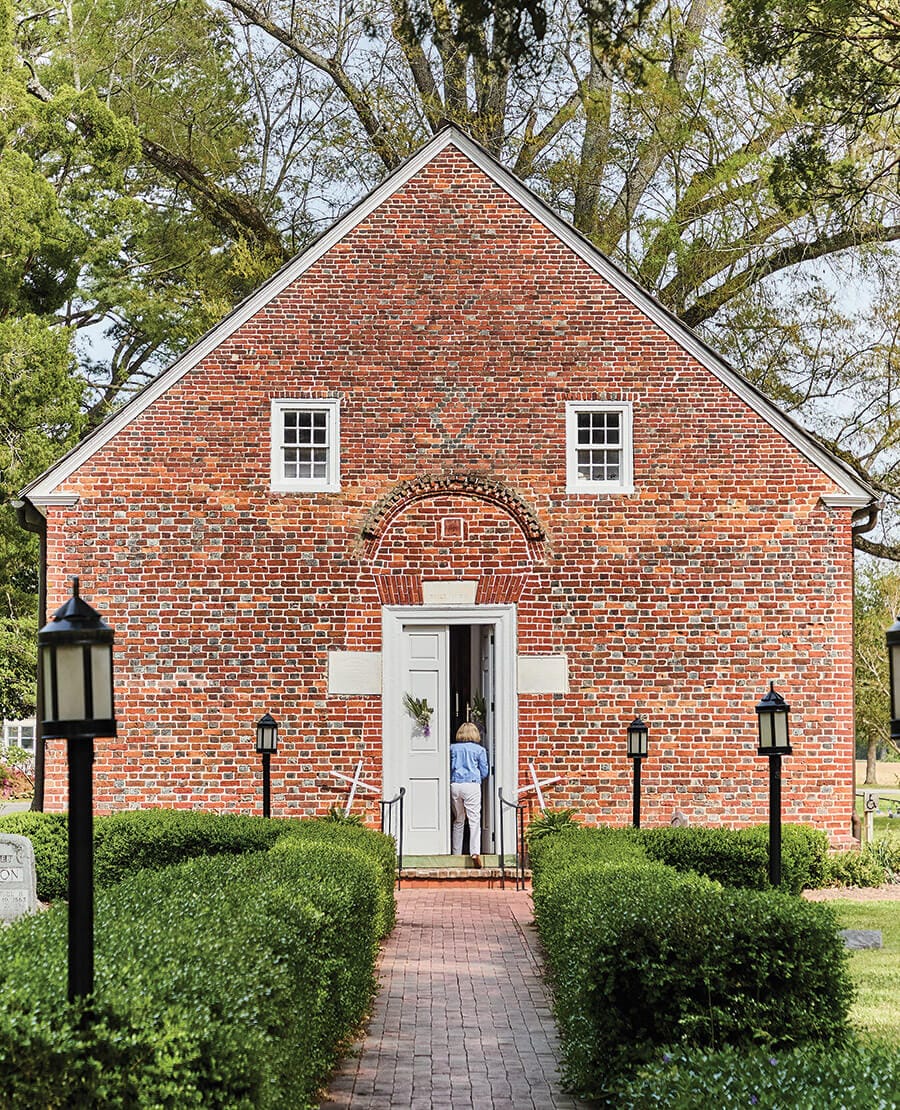
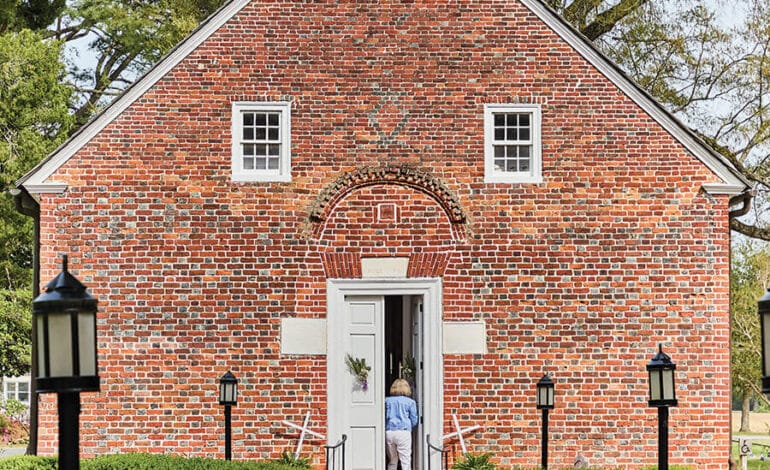
Long before steeples pierced the skyline of our state’s first town, this Anglican parish held a jewel prized across the Albemarle — a library of roughly 1,000 books and pamphlets, shipped from London to sustain faith and learning on the colonial frontier. Purchased by Dr. Thomas Bray, founder of the Society for the Propagation of the Gospel in Foreign Parts, the collection became the community’s earliest wellspring of worship and study. When at last, in 1734, a brick church began to rise along the eastern bank of Bath Creek, its two-foot-thick walls were built in Flemish bond to serve a congregation that would endure for generations. Still standing on Craven Street, St. Thomas Episcopal Church remains the oldest church building in North Carolina, where the prayers of almost three centuries continue to rise above the waters of the Pamlico.
“Just walk around and you can feel the history,” says Louise Parker, parishioner at St. Thomas Episcopal Church. “And being on the water, near where Bath Creek and Back Creek split — it’s beautiful.”
St. Thomas Episcopal Church is just one stop where history comes alive, but this town’s colonial homes, historic streets, and waterfront views offer layers of stories waiting to be discovered. Read on for a closer look at key sites.
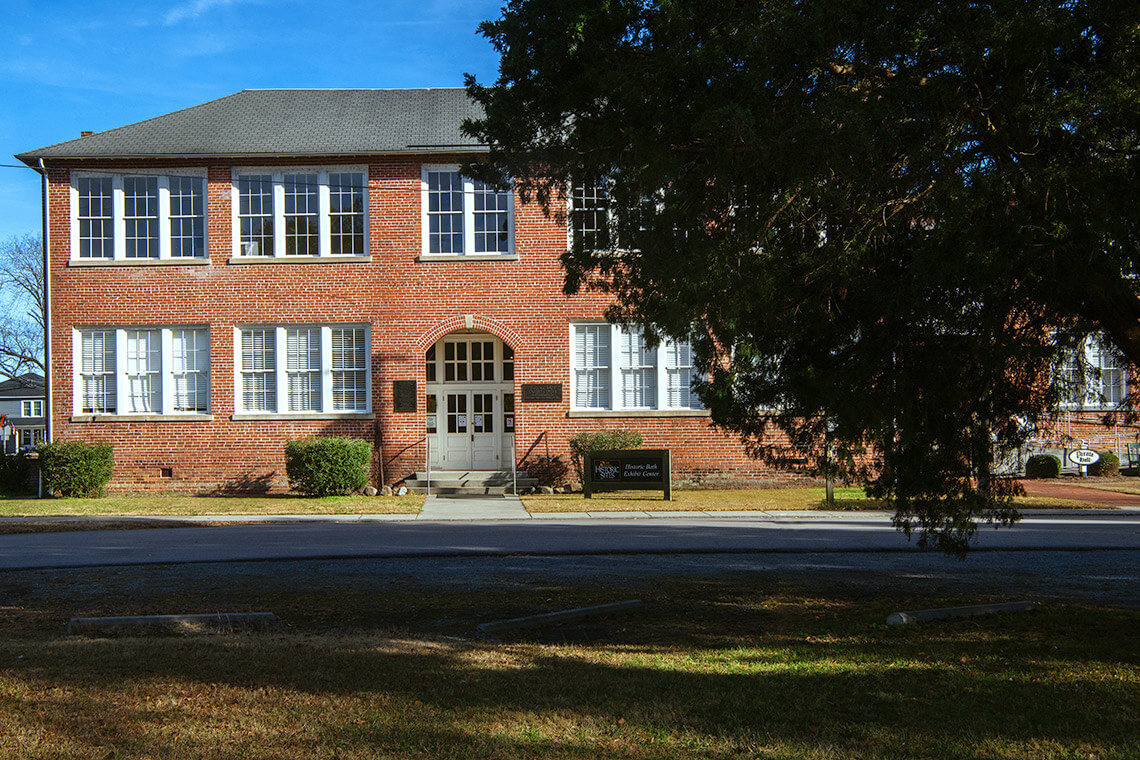
Start your visit at the Historic Bath Exhibit Center, where you can watch an orientation film or meet up with guided tour groups. Photography Shoutout to THE NORTH CAROLINA DEPARTMENT OF NATURAL AND CULTURAL RESOURCES
Find Your Footing
Before North Carolina’s rivers were dotted with ports — before it had even settled on a permanent capital — Bath worked as a busy seaport along the Pamlico River. To understand how this riverside settlement became the state’s first incorporated town, begin your visit at the Historic Bath Exhibit Center, where guided tours originate. Housed in the old Bath High School at Carteret and Harding streets, the center features a free permanent exhibit that traces Bath’s story from Native American settlement to colonial port.
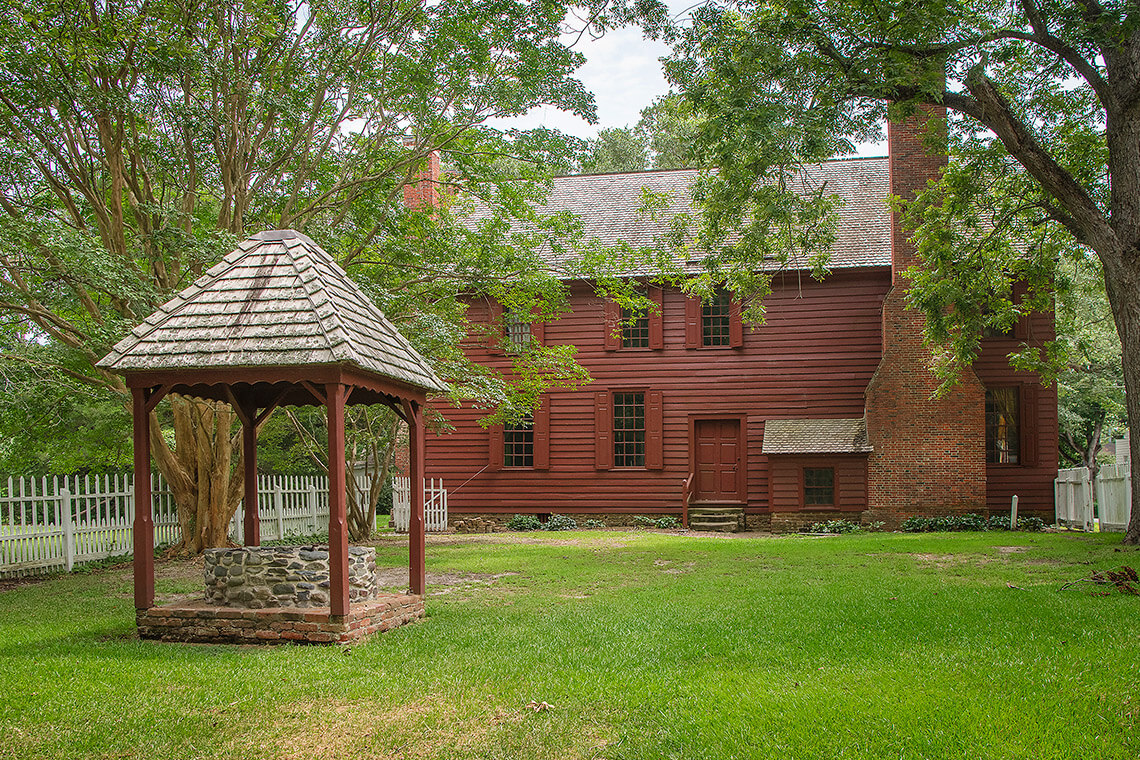
The restored circa-1751 Palmer-Marsh House once belonged to one of the highest paid English officials in North Carolina. Photography Shoutout to THE NORTH CAROLINA DEPARTMENT OF NATURAL AND CULTURAL RESOURCES
With curiosity as your compass, step outside with a guide and move from block to block, where 18th- and 19th-century homes and mercantile buildings stand as markers of Bath’s colonial past. The walk leads to the Palmer-Marsh House, built around 1751 by Captain Michael Coutanche. The sturdy two-story structure functioned as both home and mercantile. Just beyond the house, the pecan-shaded yard holds the Marsh family graves — a reminder that the people who fostered Bath never strayed far from it.
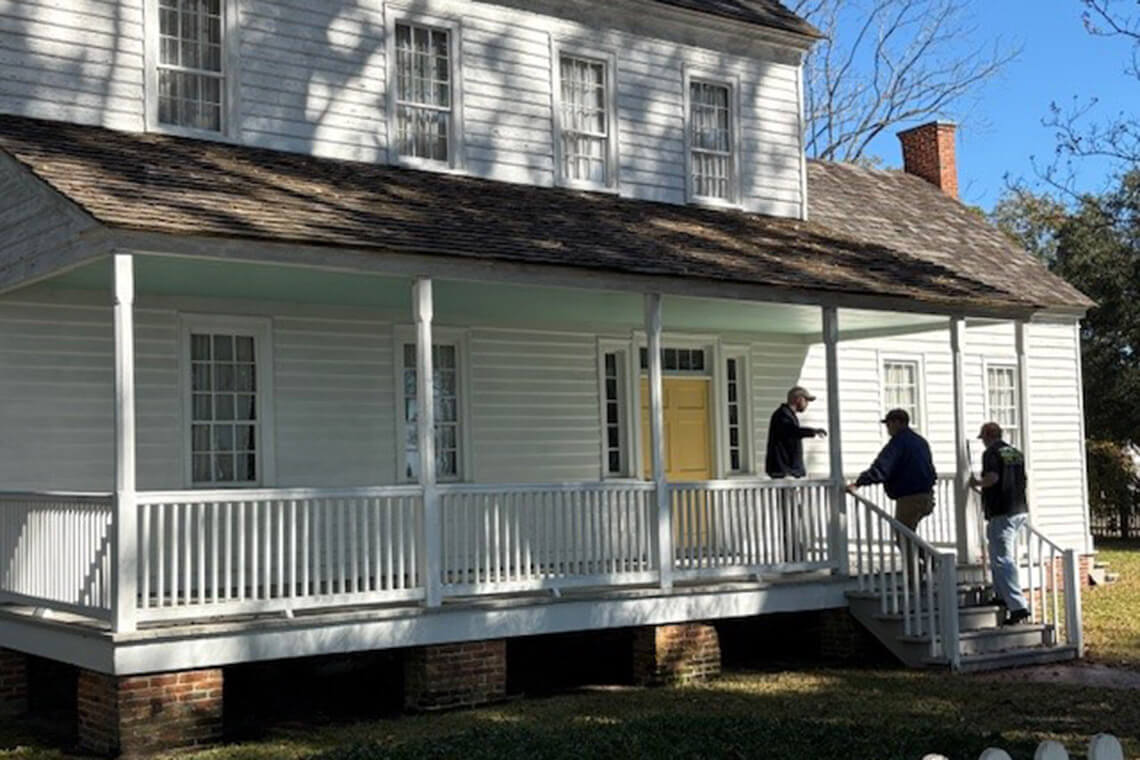
Built in 1830, the Bonner House still boasts many of its original features, including blown-glass window panes, hand-carved mantels, and wide-board pine floors. Photography Shoutout to THE NORTH…