

Here are a few options, all 10 words:
- Wake County’s Bold Plan: 400 People Secure Long-Term Housing Futures.
- Ending Homelessness: Wake County Moves 400 People Into Long-Term Homes.
- 400 People Get Homes: Wake County’s Major Long-Term Housing Initiative.
- Life-Changing News: Wake County Houses 400 People Long-Term. Read How.
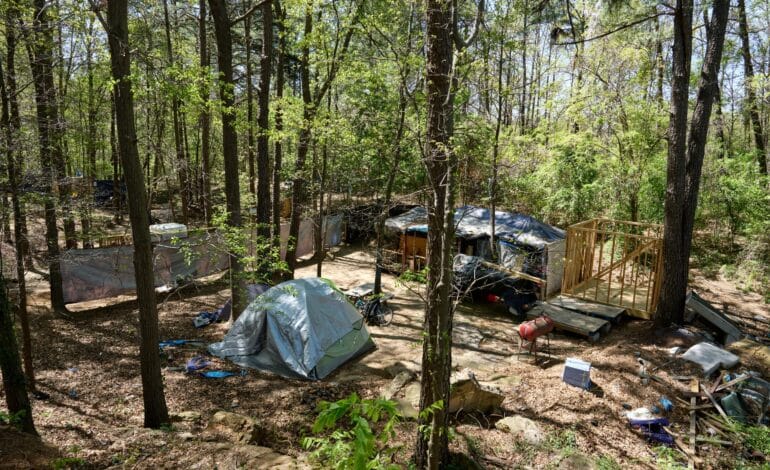

Wake County is launching a groundbreaking initiative with an ambitious vision: to transform the lives of 400 individuals and uplift our community by moving people from homeless encampments into stable housing within the next 18 months.
Dubbed “Wake at Home,” this transformative effort is spearheaded by the Wake County Continuum of Care (CoC), our county’s leading organization for homeless services, in powerful partnership with local government and dedicated private sector allies. The strategy is clear: address encampments across the county by offering residents a full year of comprehensive support – including stable housing, vital behavioral health services, and crucial workforce assistance – to empower their lasting transition out of homelessness. While specific funding sources and initial encampment details are still being finalized, the commitment to action is resolute.
“Wake at Home” isn’t just about charity; it’s about smart community building. According to the CoC, this plan masterfully balances “recognizing the humanity of people experiencing homelessness” with “responding to the concerns of the broader community” here in Wake County. This proactive step comes as Governor Josh Stein recently vetoed a separate bill (unrelated, the county clarifies) concerning “unauthorized camping,” a move that highlights the ongoing conversation around housing solutions across North Carolina.
The challenge is real and growing for our neighbors in Wake County. Driven by an acute housing shortage and an affordability crisis that touches many North Carolinians, homelessness in our region has seen a significant spike. A recent 2026 survey revealed 1,150 people experiencing homelessness in Raleigh and surrounding towns – a sharp increase from 769 in 2020. With only around 600 available beds in overnight shelters across the county, hundreds are left with nowhere safe to sleep each night, resorting to cars, couches, or street encampments.
Eileen Rosa, Director of the CoC, emphasizes that “Wake at Home” adopts a pragmatic and compassionate “direct-to-housing” approach. This strategy acknowledges the current reality that traditional shelters or vouchers simply don’t meet the overwhelming demand, ensuring immediate impact for those most in need.
Rosa clarifies that simply clearing encampments isn’t the solution; it’s the comprehensive support system offered afterward that truly makes a difference. She points to successful models in other major cities like Dallas, Tulsa, and Denver. Dallas, for example, celebrated effectively ending downtown homelessness in May 2025 by coupling firm policies with robust wraparound services and housing aid. Similar initiatives in Denver and Tulsa have also demonstrated the power of this integrated approach.
This ambitious plan for Wake at Home carries an estimated cost of $22 million over the next 18 months. However, Rosa emphasizes that this is a strategic investment, not just an expense. Providing a year of rental assistance and crucial supportive services costs approximately $24,000 per household annually. Consider this: studies show that without such intervention, a chronically homeless individual can cost taxpayers an average of $35,000 per year through emergency services, law enforcement, hospital visits, and encampment cleanups. This initiative is designed to save taxpayer dollars in the long run while fostering a healthier, more stable community.
The CoC has already pinpointed several “well-known” encampments across Wake County that will be prioritized for the “Wake at Home” initiative, and preliminary work is already underway. While specific locations are being kept confidential for now to ensure the most effective outreach, the wheels are in motion to bring this vital program to life for our North Carolina residents.