




Navigating the North Carolina Gas Pump Squeeze: What It Means for Your Next Ride
If you’ve filled up your tank in North Carolina recently, you’ve probably felt that familiar sting at the pump. Gas prices across our beautiful state have unfortunately surged past the $4 mark, averaging around $4.17 for a gallon of regular as of May 13, 2026, according to AAA. This jump is largely due to global oil supply disruptions linked to the war in Iran, pushing national averages even higher, above $4.50. While we’re all feeling the pinch, it’s hitting our local rideshare drivers particularly hard, forcing them to re-evaluate how they keep our communities moving.
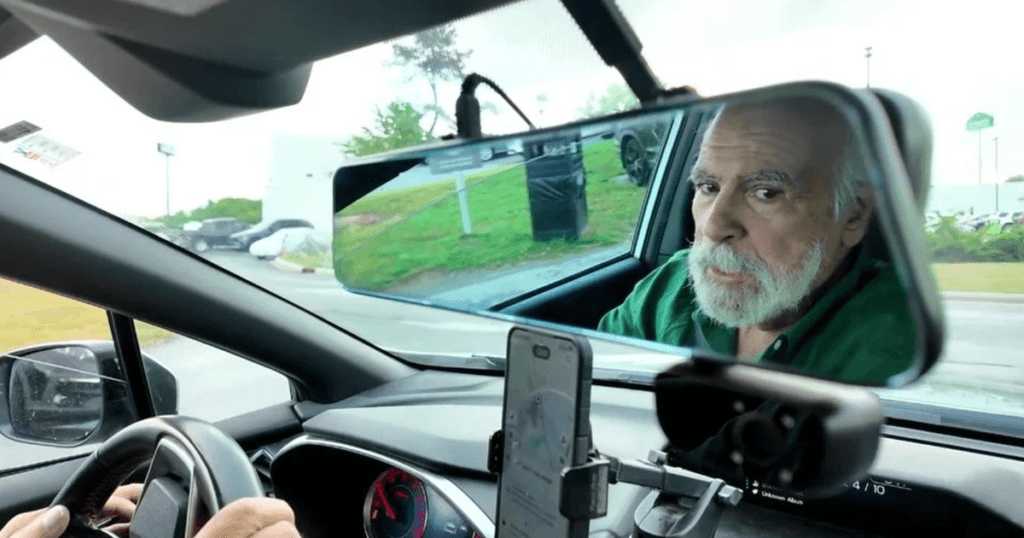
Just ask Joel Bender, an Uber driver from Buncombe County, who perfectly illustrates the challenge. He shared that he’s now turning down far more trips than he accepts, noting a mere 10% acceptance rate and about a 20% cancellation rate, simply to offset skyrocketing fuel costs. Joel, a rideshare veteran of nearly a decade, questions whether he’s truly making enough to cover his expenses and isn’t alone in this sentiment. He’s even created a Facebook group with almost 700 members where drivers can connect and share strategies. The consensus? Many drivers are making tough decisions to ensure they aren’t “screwed on this ride,” with economists predicting these higher prices are likely to continue well into our summer travel season.
This isn’t just an inconvenience for drivers; it’s a critical issue for many whose primary income comes from ridesharing – putting food on the table and meeting monthly obligations. Joel says he’s seeing more and more drivers, even those with years of experience, choosing to “steer clear from the business altogether.” While companies like Uber are expanding fuel discount programs, Joel feels it’s still not enough to make up for losses. Ultimately, fewer drivers on the road could mean longer wait times and potentially higher costs for your next ride across North Carolina.
So, how are these rising prices impacting your day-to-day? Have you noticed changes in rideshare availability or considered alternative transportation? We want to hear from you! Share your thoughts and experiences in the comments below.


