




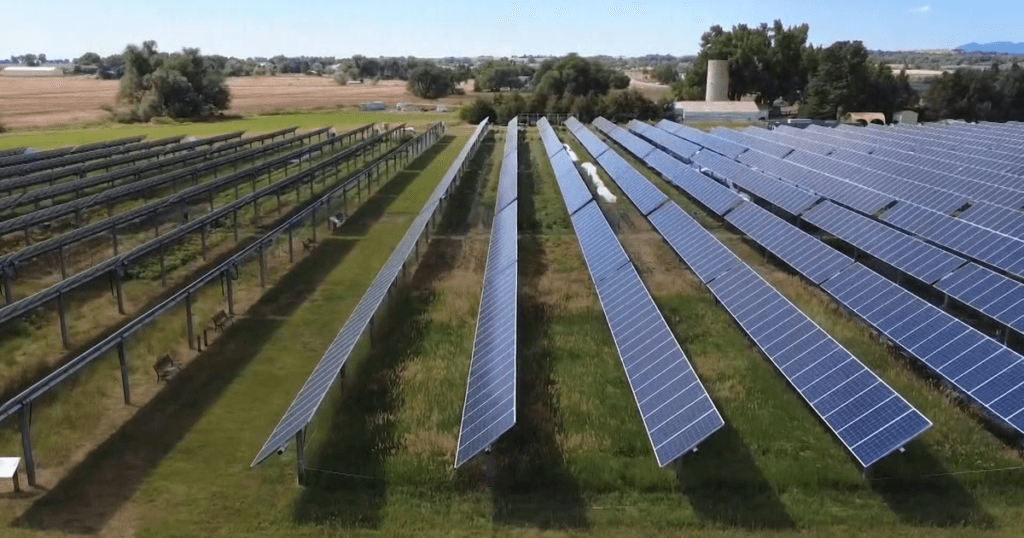
TL;DR: State regulators have paused Duke Energy’s plan to buy new solar power for 2026, a move that clean-energy groups warn could hike your electricity bills, slow down solar development in NC, and create uncertainty about our state’s future power supply, especially with demand surging from new businesses like data centers.
Clean-energy advocates across North Carolina are fighting back against a surprising decision by our state’s utility regulators. The NC Utilities Commission recently hit the brakes on Duke Energy’s plans to line up new solar power projects for 2026. Critics say this delay could mean higher electricity bills for you, the customer, and mess up our state’s long-term energy plans, especially as electricity demand skyrockets.
The Southern Environmental Law Center (SELC), a group working to protect our environment, has formally asked the NC Utilities Commission to rethink its April decision. That order told Duke Energy to put its 2026 process for acquiring new solar and battery storage projects on hold.
This wasn’t just a minor delay. The commission’s order stopped not only the actual buying process but also all the important early planning needed for the next big wave of solar farms across North Carolina.
“This isn’t just delaying projects. It effectively wipes out this year’s procurement,” explained Nick Jimenez, a senior attorney with SELC. He stresses that this isn’t a temporary pause but a cancellation of opportunities for new solar.
Duke Energy, however, states that this ruling won’t impact solar projects already approved up to 2030 or immediate power supply needs. According to the utility, it only affects the 2026 cycle for solar projects that would have started generating power in the early 2030s.
Here in North Carolina, we have a system for planning our energy future. Every two years, Duke Energy proposes a long-range electricity plan through what’s called the Carbon Plan and Integrated Resource Plan process. Our state’s regulators then look at all the data and evidence to approve what they believe is the cheapest way to meet our future electricity needs.
This big-picture planning then leads to annual competitive processes for buying new solar power.
Last year, our approved energy plan actually called for more solar power. But Duke Energy later suggested buying less solar in 2026. They pointed to changes in federal tax incentives and some recent state policy shifts, like the decision to remove North Carolina’s interim 2030 carbon reduction target.
Instead of letting Duke move forward with even a reduced plan, the Utilities Commission ordered them to wait until the larger Carbon Plan case is settled later this year before moving ahead with any new solar purchases.
Clean-energy groups warn that this delay could effectively kill the entire 2026 solar buying cycle. They explain that securing new power sources and connecting them to our electricity grid follows a very specific, time-sensitive schedule.
“You can’t just run the procurement whenever you feel like it,” Jimenez noted. “There are interconnection timelines and planning processes that have to line up to keep the grid stable and your lights on.”
In the official order, Chairman William Brawley stated that delaying the procurement was in the “public interest and judicial economy.” He believes it’s better to wait until regulators have fully decided on our state’s broader, long-term energy strategy.
What’s also raising eyebrows is that the order appears to have come from Chairman Brawley alone, not the full Utilities Commission. Critics say this is highly unusual for a decision that has such wide-reaching implications for North Carolina’s energy future.
“The chair on his own is allowed to issue procedural orders, but not substantive orders that make massive changes like this,” Jimenez argued, questioning the legality of the move.
Both SELC and the Carolinas Clean Energy Business Alliance have filed motions asking for reconsideration. They argue that the order didn’t have enough evidence to back it up and skipped the usual careful process used for big energy planning decisions in our state.
At the heart of this argument is a bigger question: How will North Carolina power its rapidly growing economy? We’re seeing huge increases in electricity demand, largely thanks to new data centers and industrial facilities choosing our state.
Just weeks before this controversial order, Duke Energy actually updated its forecast for major industrial electricity use. They increased their projection for new “large load additions” from about 6 gigawatts to roughly 8 gigawatts over the next decade – that’s a lot more power needed!
“To see that increase in projected demand followed immediately by an order effectively canceling new generation procurement is baffling,” Jimenez exclaimed, highlighting the seeming contradiction.
Jimenez warns that this delay could eventually mean higher costs for you, the customer. If our utilities have to rely more on natural gas plants to fill the gap, we could face equipment shortages and unpredictable fuel prices, which are already causing financial headaches nationwide.
“So we have this solar that was going to be serving a purpose in the least-cost mix of resources,” Jimenez explained. “Now we’re potentially filling that hole with something that’s even more expensive, meaning higher bills for North Carolinians.”
This debate comes at a time when North Carolina’s once booming solar growth has slowed down. Our state, which ranked second nationally for installed solar power in 2017, has now dropped to fifth place, according to industry data.
“Solar and solar paired with storage remain a key part of our diverse energy mix,” said Duke spokesman Bill Norton, affirming their commitment to the technology despite the procurement pause.
However, clean-energy advocates are concerned that this decision could make developers hesitant and discourage future investments in North Carolina’s solar market, potentially costing local jobs and economic growth.
“In economic terms, uncertainty costs money,” Jimenez pointed out. “If developers think the rug can be pulled out at the last minute, some simply won’t bid on North Carolina projects. Others will factor that uncertainty into their prices, which ultimately raises costs for Y’all.”
WRAL has reached out to the Utilities Commission for more clarity on why pre-planning activities were paused and whether Chairman William Brawley acted alone in this decision, rather than with the full commission.
James West, general counsel for the Utilities Commission, responded that the April 23 order “speaks for itself” and that the commission cannot comment on ongoing legal matters.


