

Create a 10-word scroll-stopping headline for: For Pride month, look at Triangle towns’ LGBTQ+ equality scores | Vibe NC

Rewrite this local event or lifestyle story to be enticing for North Carolina residents. Keep HTML tags:
Homebuyers can find Triangle-based realtor Jamie Ferguson on gayrealestate.com, where she is on call to help LGBTQ+ clients find somewhere to live comfortably. It can be nerve-racking for anyone to look for their home in an unfamiliar place; if you are queer, there can be added uncertainty when that place isn’t forthright about supporting the gay community.
“I am a queer woman and I know that there are always ways to make things easier for people,” Ferguson said. “For me, I’m like, OK, if I know how they feel, they don’t have to tell me 90% of the story. I know it, I get it.”
Ferguson said some Triangle cities, like Durham, have historically been more vocal about inviting the queer community in, while others, like Cary, were seen as more conservative, only starting to make statements of acceptance in recent years.
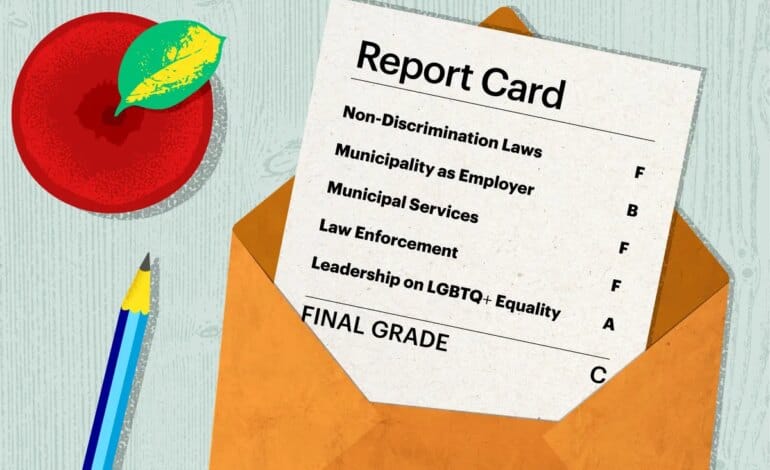
Annual scorecards from the national nonprofit Human Rights Campaign (HRC) provide a look at how some municipalities in the Triangle have shifted in support of LGBTQ+ equality over time. Most have improved from low ratings or remained in a high range.
Ferguson said now that most of the Triangle has achieved an equitable baseline, she sees queer homebuyers looking to live all over. Ferguson said her job isn’t to tell people where the best place to live is if you’re gay; it’s to give clients the tools to figure out where they’re most comfortable and find them a home wherever they want to live.
“There were areas that stepped out further back, and so they did, in the beginning, absolutely hold the flag for being where people wanted to go,” Ferguson said. “But now I feel like it’s changed in the last 10 to 15 years, and it’s everywhere. We’re everywhere.”
Every year since 2012, the HRC issues its Municipal Equality Index (MEI) for a number of cities across the country, assessing over 500 this past year. These cities are selected based on criteria including size, status as a state capital, and same-sex couple population. In North Carolina, the MEI rates 10 municipalities: Carrboro, Cary, Chapel Hill, Charlotte, Durham, Fayetteville, Greensboro, Raleigh, Wilmington, and Winston-Salem.
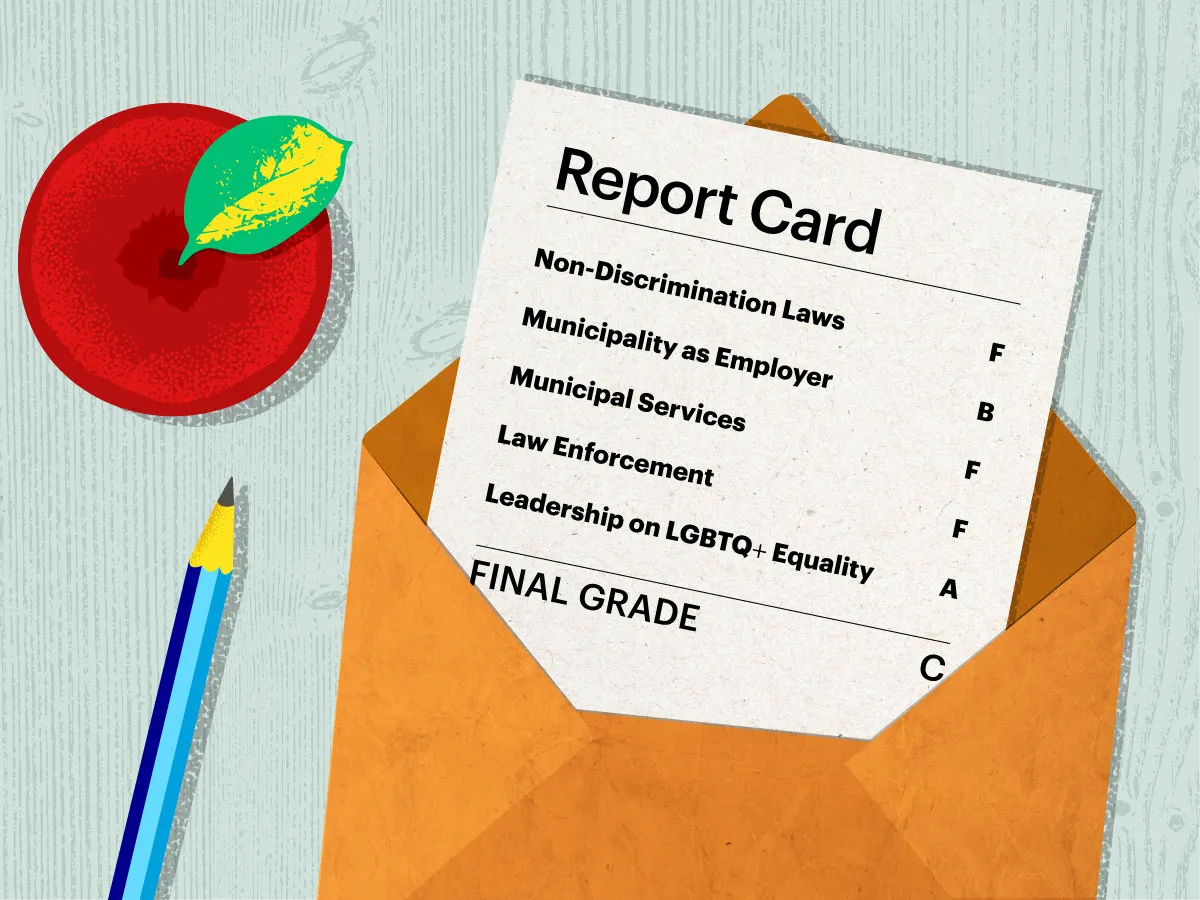
The index uses 49 criteria to examine how “inclusive municipal laws, policies, and services are of LGBTQ+ people who live and work there,” according to the HRC’s website. The HRC rates municipalities based on their nondiscrimination laws, employee rights, programs, law enforcement, and local leadership’s positions on LGBTQ+ equality.
In North Carolina’s 2025 breakdown, released in November, the HRC website states that overall North Carolina municipalities exemplified how to support LGBTQ+ individuals at the local level, even if the state legislature has enacted laws like 2023’s House Bill 805, which restricted access to gender-affirming medical care for…